
Introduction to Kidney Function Tests
Kidney function tests are simple checks that show how well your kidneys are working. These tests help doctors spot problems early. Because kidneys filter waste and extra water from your blood, keeping them healthy is very important. If you want to know how to check kidney health, these tests are the first step. Early testing can prevent serious health issues later.
Common Types of Kidney Function Tests
Doctors use several tests to check your kidneys. Each test looks at a different part of kidney health. Here are the most common types:
Sometimes, doctors may order more tests if they need more information.
Symptoms or Reasons for Needing Kidney Function Tests
There are many reasons why you might need kidney function tests. Often, people do not notice kidney problems until they are serious. However, certain signs can suggest a problem. For example, you may need these tests if you have:
Additionally, your doctor may suggest kidney function tests as part of a routine checkup, especially if you have risk factors.
How Kidney Function Tests Are Performed
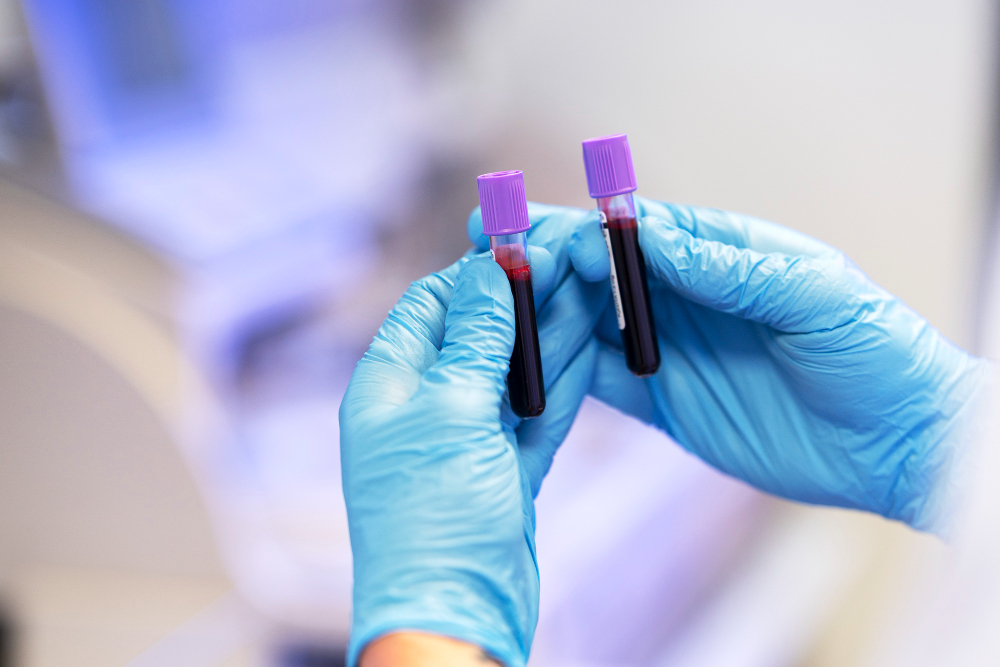
Most kidney function tests are quick and easy. For blood tests like BUN, creatinine, and GFR, a nurse will take a small sample of your blood. For urinalysis, you will be asked to provide a urine sample in a clean cup. Afterward, the samples go to a lab for testing. In most cases, you can go home right after the test.
How to Prepare for Kidney Function Tests
Usually, you do not need to do much to get ready for kidney function tests. Still, your doctor may give you special instructions. For example, you may need to:
Always follow your doctor’s advice. If you have questions, ask before your test.
Understanding Results and What They Mean
After your kidney function tests, your doctor will explain the results. Normal kidney test results mean your kidneys are working well. However, if your numbers are too high or too low, it may mean your kidneys are not filtering waste as they should. Sometimes, abnormal results can be caused by dehydration, certain medicines, or other health problems. Therefore, your doctor may repeat the tests or order more checks to be sure.
Lifestyle Guidance and Prevention Tips for Kidney Health
Taking care of your kidneys is important for your overall health. Here are some simple tips to keep your kidneys healthy:
Additionally, regular checkups can help catch kidney problems early.
When to Consult a Healthcare Professional
If you notice any signs of kidney trouble, do not wait. For example, swelling, changes in urination, or blood in your urine should be checked right away. Even if you feel fine, it is wise to get kidney function tests if you have risk factors. Early action can protect your health.
For personalized advice on kidney function tests, consult a healthcare professional. They can guide you on the best steps for your kidney health.