
What Is a Fever Panel?
A fever panel is a group of blood tests that help find the cause of a fever. Doctors use fever panel tests to check for infections or other health problems. Since fever can have many causes, these tests help doctors make a quick and accurate diagnosis of fever. Usually, a fever panel looks for common germs like bacteria, viruses, or parasites. This way, doctors can choose the right treatment for you.
Why Are Fever Panel Tests Important?
Fever panel tests are important because they help doctors find out why you have a fever. Sometimes, a simple fever can be a sign of a serious illness. For example, it could be due to malaria, dengue, or typhoid. With a fever panel, doctors do not have to guess the cause. Instead, they get clear results that guide the next steps. According to the World Health Organization (WHO), early diagnosis of fever helps prevent complications and speeds up recovery. Therefore, getting the right test at the right time is key.
Common Tests Included in a Fever Panel
Most fever panel tests include several checks. However, the exact tests may change based on your symptoms and location. Common types of fever panel tests include:
Sometimes, doctors add more tests if they suspect other infections. For example, they may check for chikungunya or leptospirosis.
When Should You Get a Fever Panel Test?
You may wonder when to get a fever panel test. Usually, doctors suggest these tests if your fever lasts more than three days. Also, if you have other symptoms like chills, body aches, or rashes, a fever panel can help. In some cases, if you live in or have traveled to areas with common infections, your doctor may order these tests sooner. According to the Centers for Disease Control and Prevention (CDC), early testing helps prevent the spread of infectious diseases.
How Are Fever Panel Tests Performed?
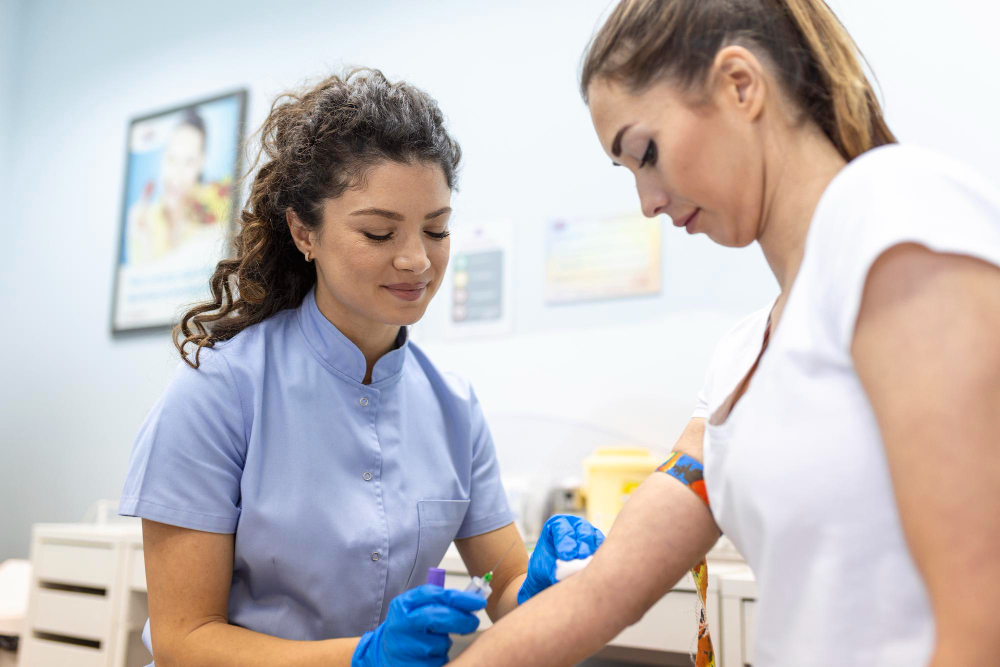
Fever panel tests are simple and safe. First, a healthcare worker takes a small blood sample from your arm. Next, the sample goes to a lab for testing. Most results are ready within one or two days. Because these tests are quick, doctors can start the right treatment without delay. If you have questions, always ask your healthcare provider before the test.
What Do the Results Mean?
Once your fever panel results are ready, your doctor will explain them. If the test finds a specific infection, you will get treatment for that illness. Sometimes, all tests may be normal. In that case, your doctor may look for other causes of fever. Remember, only a trained healthcare professional can interpret your results correctly. Therefore, do not try to read the results on your own.
Tips for Preparing for a Fever Panel Test
Preparing for a fever panel test is easy. Still, a few tips can help you:
If you have concerns, talk to your healthcare provider before the test.
Preventing and Managing Fever: Practical Advice
While fever panel tests help with diagnosis, you can also take steps to manage fever at home. For example, you should:
If your fever does not improve or gets worse, seek medical help right away. According to the CDC, early care can prevent serious problems.
In summary, fever panel tests play a key role in the diagnosis of fever. They help doctors find the cause quickly and start the right treatment. If you have a lasting fever, do not wait. Consult a healthcare professional for personalized advice about fever panel tests.