
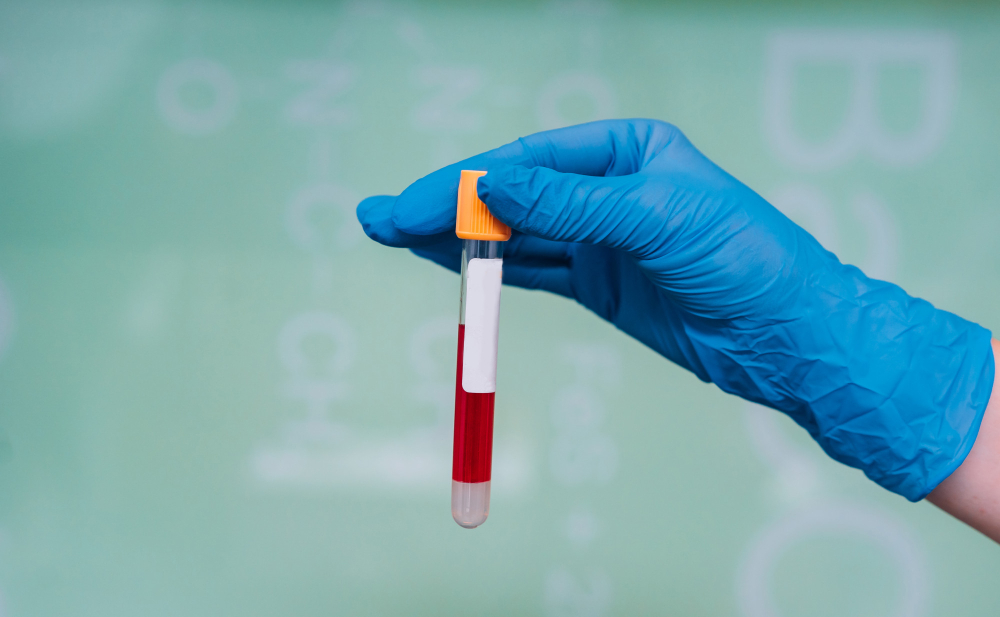
What is a Typhoid Test?
A typhoid test helps doctors find out if you have typhoid fever. Typhoid fever is a serious illness caused by bacteria called Salmonella Typhi. Early testing is important because it helps start treatment quickly. The typhoid test checks for signs of infection in your blood, stool, or urine.
Why is a Typhoid Test Needed?
Doctors may suggest a typhoid test if you have symptoms like:
Sometimes, you may need a typhoid test if you have traveled to places where typhoid is common. In many cities and countries, typhoid tests help prevent the spread of the disease.
Types of Typhoid Tests
There are several types of typhoid tests. Each test looks for the bacteria or your body’s response to it. Common types include:
Doctors choose the best typhoid test based on your symptoms and location.
How to Prepare for a Typhoid Test
Preparing for a typhoid test is simple. Usually, you do not need to do much. However, you should:
For more details, ask your doctor about how to prepare for a typhoid test.
What to Expect During the Test
During a typhoid test, you may give a blood, stool, or urine sample. For a blood test, a nurse will use a small needle to take blood from your arm. For a stool or urine test, you will collect a sample in a clean container. The process is quick and usually not painful. Most people feel fine after the test.
Understanding Your Results
After the test, your doctor will explain the results. If the test finds Salmonella Typhi, you have typhoid fever. Sometimes, results may take a few days, especially for blood cultures. Rapid tests may give results sooner, but they are less accurate. If your test is positive, your doctor will start treatment right away. If the test is negative, you may need more tests if symptoms continue.
Risks and Safety
Typhoid tests are safe for most people. Blood tests may cause mild pain or bruising. Stool and urine tests have no risks. Rarely, you may feel dizzy after a blood draw. However, serious problems are very uncommon. Always tell your doctor if you feel unwell after the test.
Frequently Asked Questions
Prevention and Next Steps
To prevent typhoid, always wash your hands and drink clean water. If you have symptoms, get a typhoid test as soon as possible. Early testing helps you get the right treatment. If you have questions about the typhoid test procedure or your results, talk to your doctor. They can guide you on the next steps.
For personalized advice about typhoid testing, consult a healthcare professional.